August 4, 2026
What Is Shadow Work? A Beginner's Guide to Meeting the Parts of You You'd Rather Not See
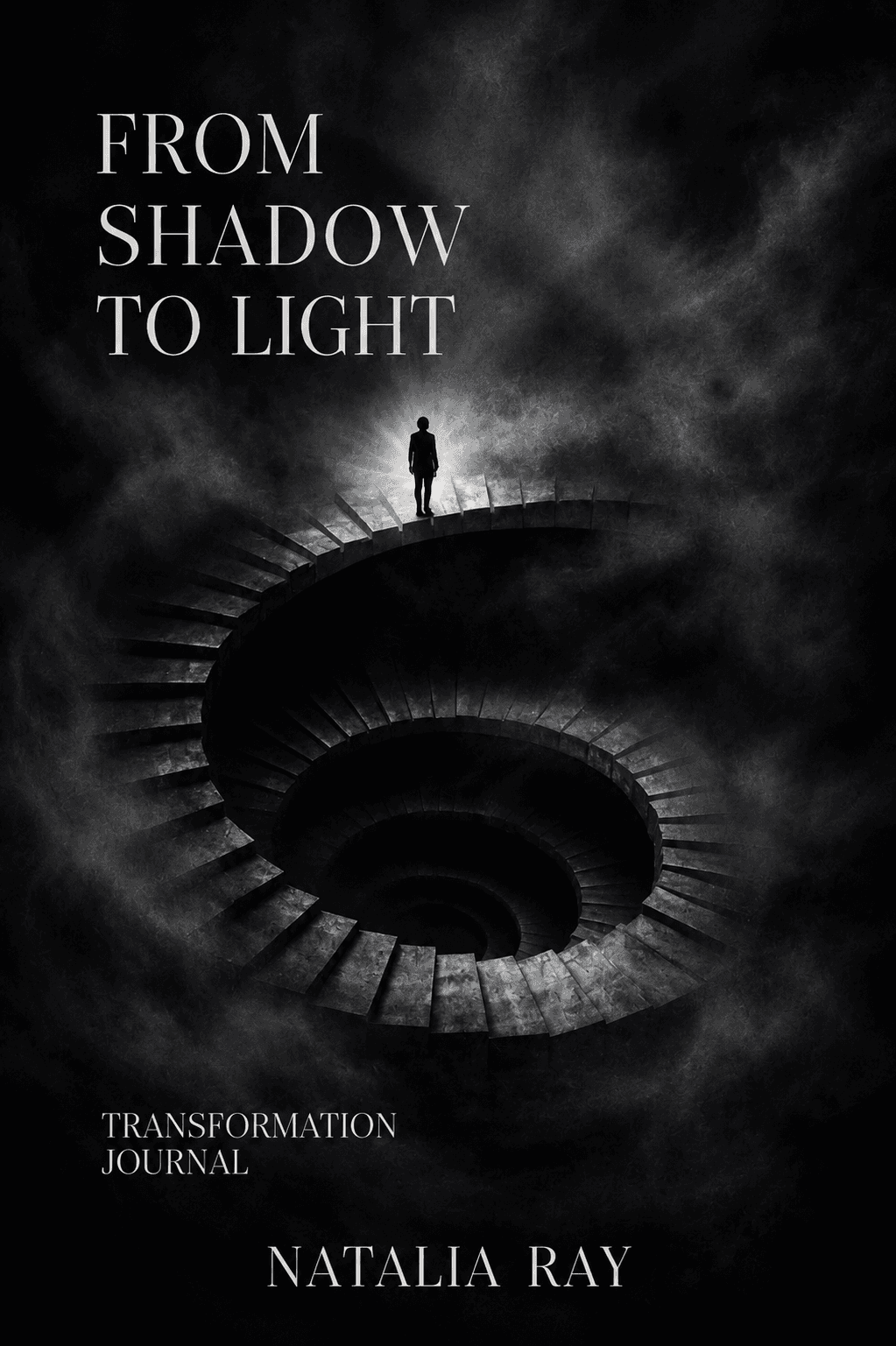
If you've spent any time in spiritual or self-development spaces lately, you've probably run into the phrase "shadow work." It shows up on TikTok, in journaling prompts, in therapist Instagram captions. But underneath the trend is a real, old idea worth understanding on its own terms.
The "shadow," a term popularized by Carl Jung, refers to the parts of yourself you've pushed out of conscious awareness — usually because, at some point, they weren't safe to show. The anger you learned to swallow as a child. The neediness that got you mocked. The ambition that made someone uncomfortable. None of these things disappeared. They went underground, and from there, they quietly run more of your life than you'd like to admit — through the people who irritate you inexplicably, the patterns you repeat despite yourself, the reactions that feel bigger than the moment that triggered them.
Shadow work is the practice of turning toward those hidden parts instead of away from them. Not to indulge them, and not to punish yourself for having them — but to understand what they were protecting you from, and what they're still trying to tell you.
In practice, this usually looks less dramatic than it sounds. It's journaling about the same person who keeps annoying you, and asking honestly what about them mirrors something in yourself. It's noticing when you overreact, and getting curious instead of ashamed. It's naming the inner voices — the Critic, the People-Pleaser, the Perfectionist — and learning their specific fingerprints so you can recognize them in the moment, rather than a week later.
The reason this work matters isn't abstract. The parts of yourself you refuse to look at don't go quiet — they run the show from the basement. Shadow work is simply turning on the light down there, one honest look at a time.
If you're looking for a structured way to begin, a written practice — actual prompts, actual pages, actual pen on paper — tends to work better than trying to hold it all in your head. That structure is exactly why guided shadow work journals exist: not to replace your own insight, but to give it somewhere to land.