August 4, 2026
The Third Eye, Explained: What the Pineal Gland Actually Is (and Isn't)
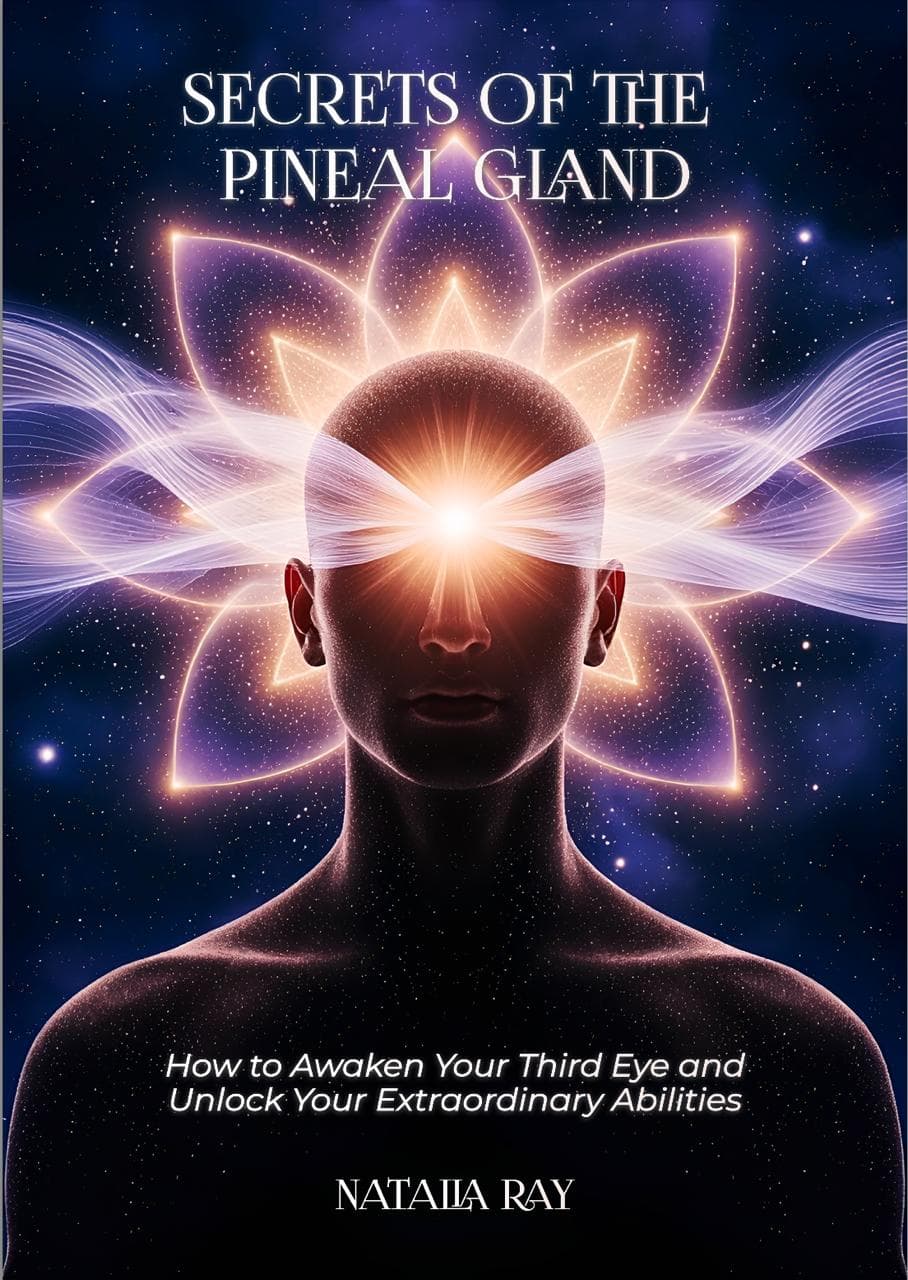
Ask a neuroscientist about the pineal gland and you'll get a precise, almost dry answer: a pea-sized endocrine gland near the center of the brain that regulates melatonin and your sleep-wake cycle. Ask a yogi, a mystic, or an ancient Egyptian priest, and you'll get something else entirely — the seat of intuition, the "third eye," the organ of inner sight.
What's interesting is that these two descriptions aren't actually in conflict. They're just looking at the same small structure from different distances.
The pineal gland sits almost exactly in the geometric center of the brain, tucked between the two hemispheres. Descartes, in the 17th century, called it "the seat of the soul" — his best guess, at the time, for where mind meets body. Long before him, the ancient Egyptians represented it as the Eye of Horus. In Hindu and Buddhist traditions, it corresponds to the location of the Ajna chakra — the third eye — associated with insight and inner vision.
Modern research gives this old intuition a biological footing. The pineal gland produces melatonin, which governs your sleep cycles, but it's also one of the few structures in the brain capable of producing trace amounts of DMT, a compound closely tied to altered and expanded states of consciousness. Whether or not you take the more esoteric claims about the gland at face value, its biology alone explains why so many traditions, independently, arrived at the same place: something happens there that affects awareness.
What tends to get lost in the online version of this topic is the practical question — not "what is the third eye" but "why does mine feel closed." The honest answer is usually mundane: chronic stress, shallow breathing, screens at 2am, and a nervous system that never fully exits fight-or-flight. None of that is mystical. It's just biology getting in its own way.
Opening the third eye, in most contemplative traditions, was never a special trick — it was the natural result of a quieter nervous system and a more consistent practice: meditation, stillness, breathwork, and enough rest that intuition has room to surface instead of being drowned out by noise. The methods are old. The gland is real. The rest is a matter of practice, not luck.